
TŘEBÍČ JEWISH QUARTER AND JEWISH CEMETERY (UNESCO)
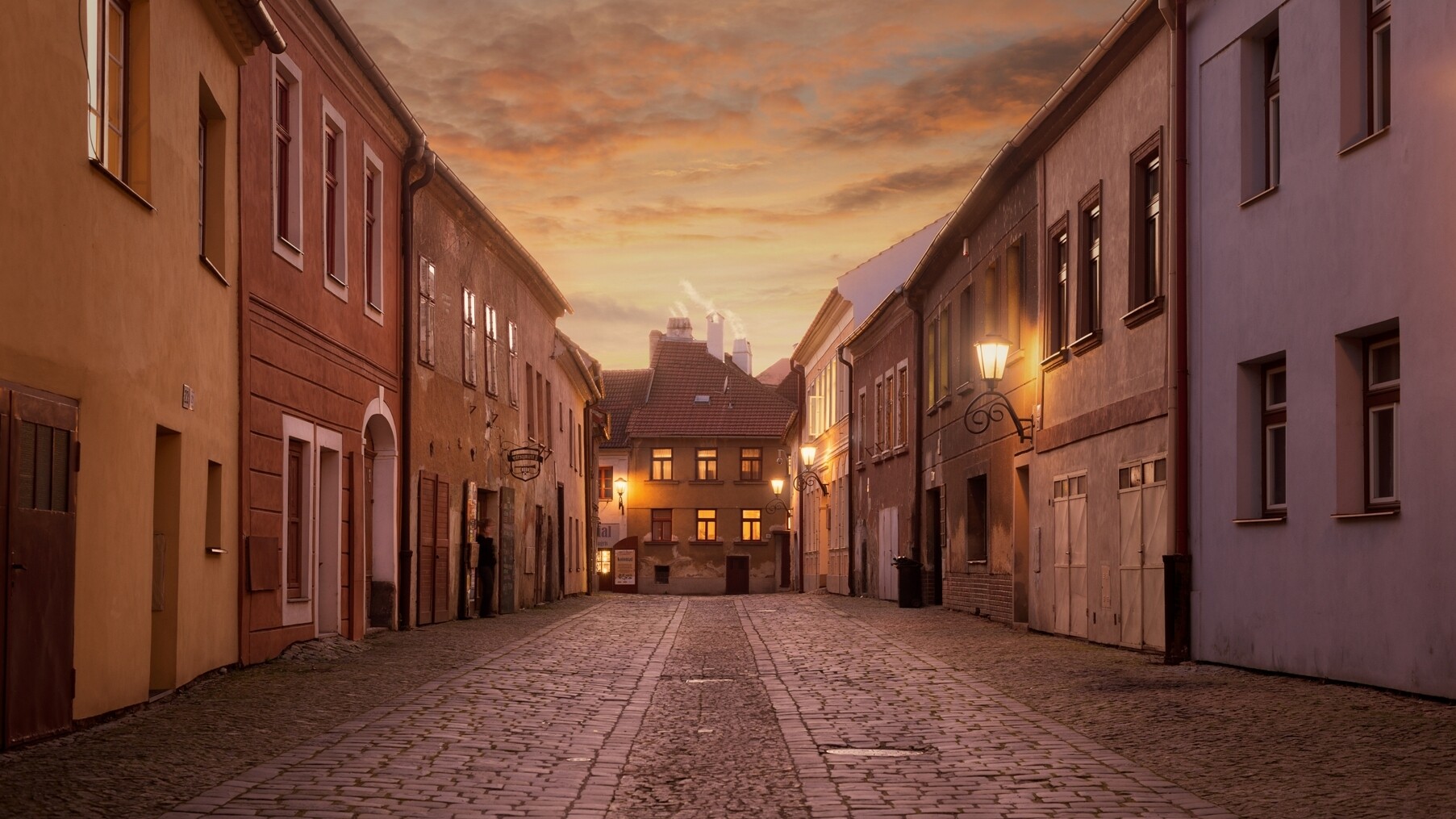
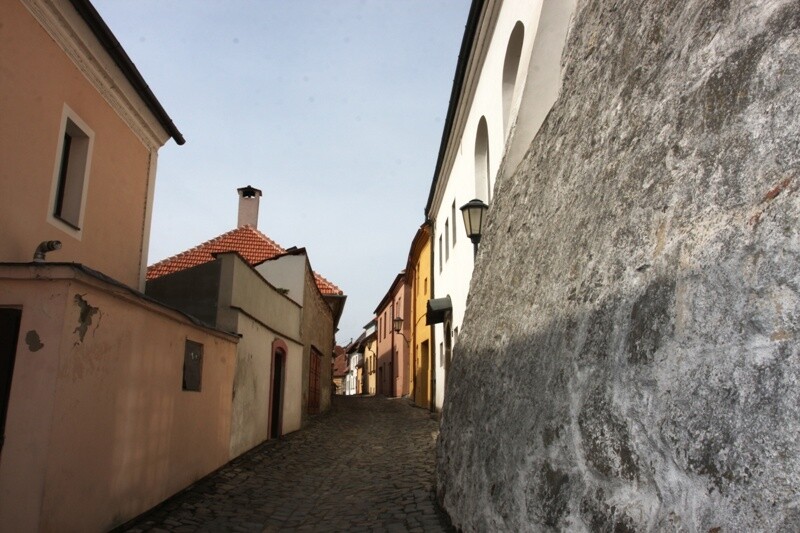
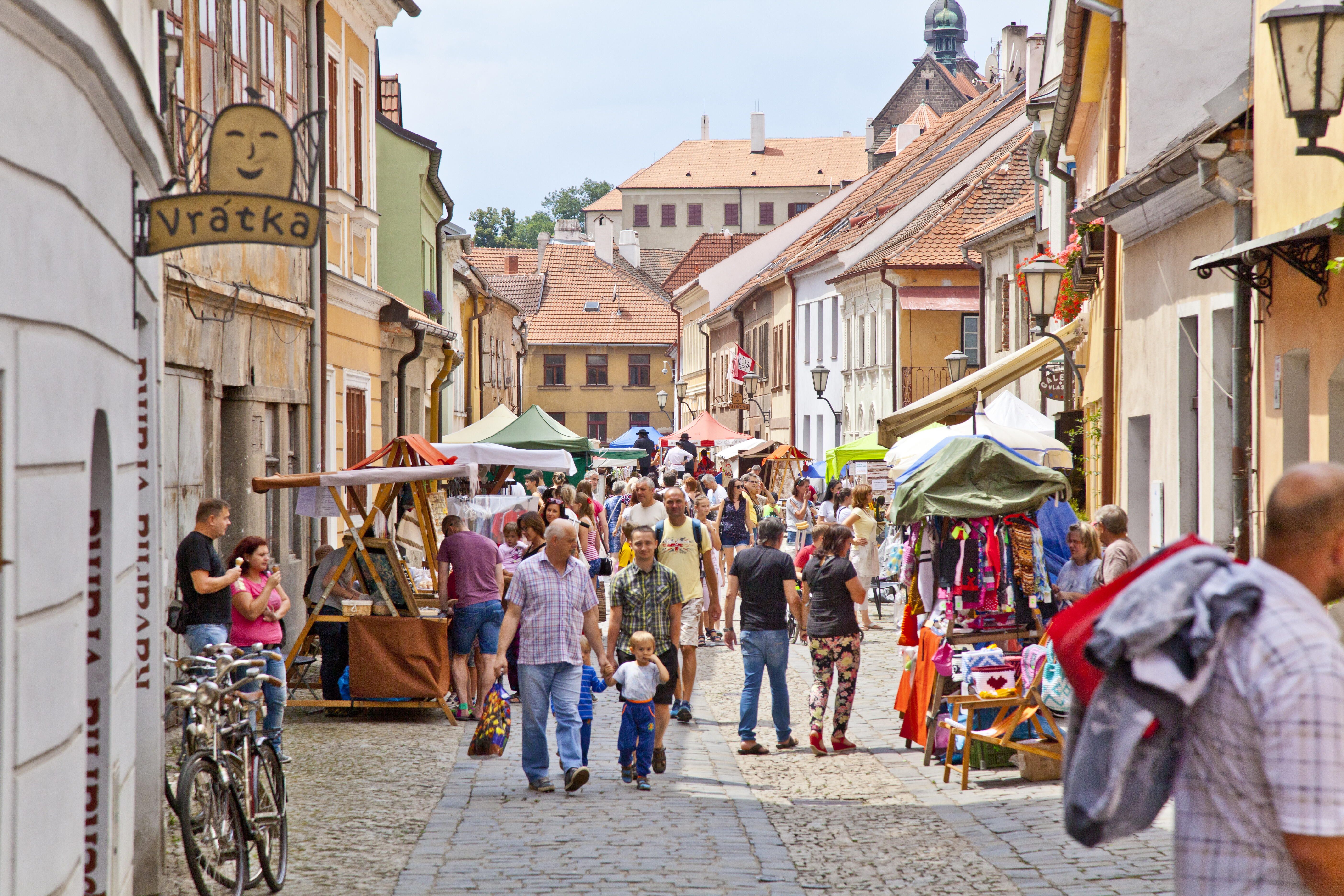
The Třebíč Jewish Quarter is a small, somewhat shrunken town. You could find everything you needed - merchants' shops, a town hall, a poorhouse, a hospital and two synagogues. It is one of the few completely preserved Jewish neighbourhoods outside of Israel.
Contact
Subakova 1/44
Třebíč
District: Třebíč
674 01
- Wheelchair access
The Jewish town in Třebíč covers more than four hectares. In times gone by it had nearly sixteen hundred inhabitants. Jewish traders probably settled here after the Benedictine monastery was built in 1101, but the first written mention of it dates back to 1338. In 1723 a ghetto was established in Třebíč - Jews were not allowed to live anywhere else but here. The neighbourhood could not expand, so buildings grew in height or into gardens, and houses were divided into parts among families. After the establishment of the ghetto, the last Christians living in the district exchanged houses with Jews living outside the ghetto. It was not until the mid-19th century that Jews were granted equal rights and could once again choose freely where they lived. Before the Second World War, about three hundred Jews lived in Třebíč. Fewer than 20 returned after the war.
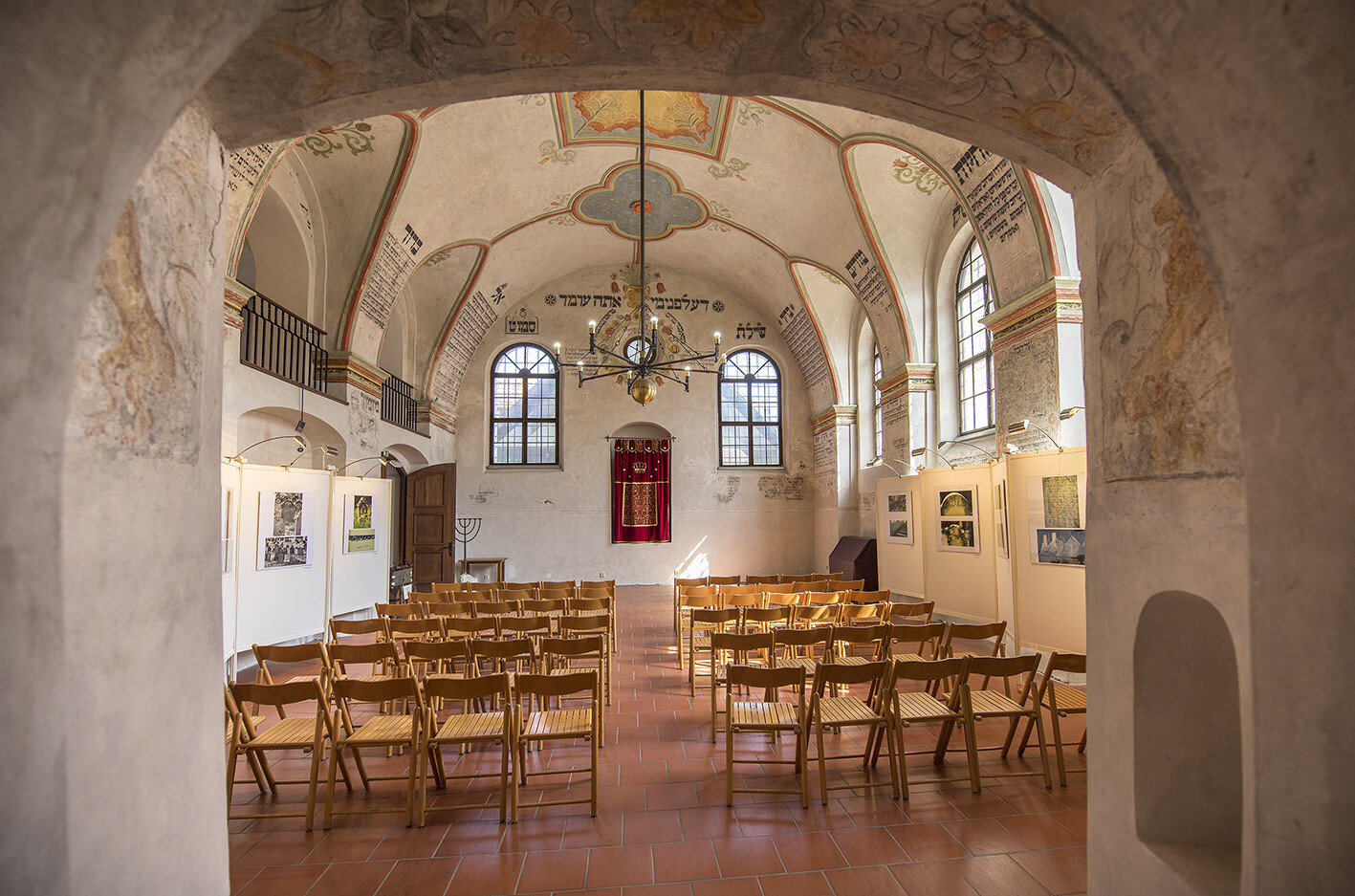
The Jewish Quarter consists of a collection of about a hundred preserved houses, which are complemented by the buildings of former Jewish institutions - the town hall, rabbinate, poorhouse, hospital and school. The real pearls of the Jewish Quarter are its two synagogues. The front synagogue on Tiché Náměstí Square serves today as a prayer room of the Czechoslovak Hussite Church. The rear synagogue is decorated with unique wall paintings from the early 18th century and is used for public tours, exhibitions, concerts, etc. The women's gallery houses a permanent exhibition of Jewish culture with many valuable objects used in the civic and religious life of the vanished Jewish community.
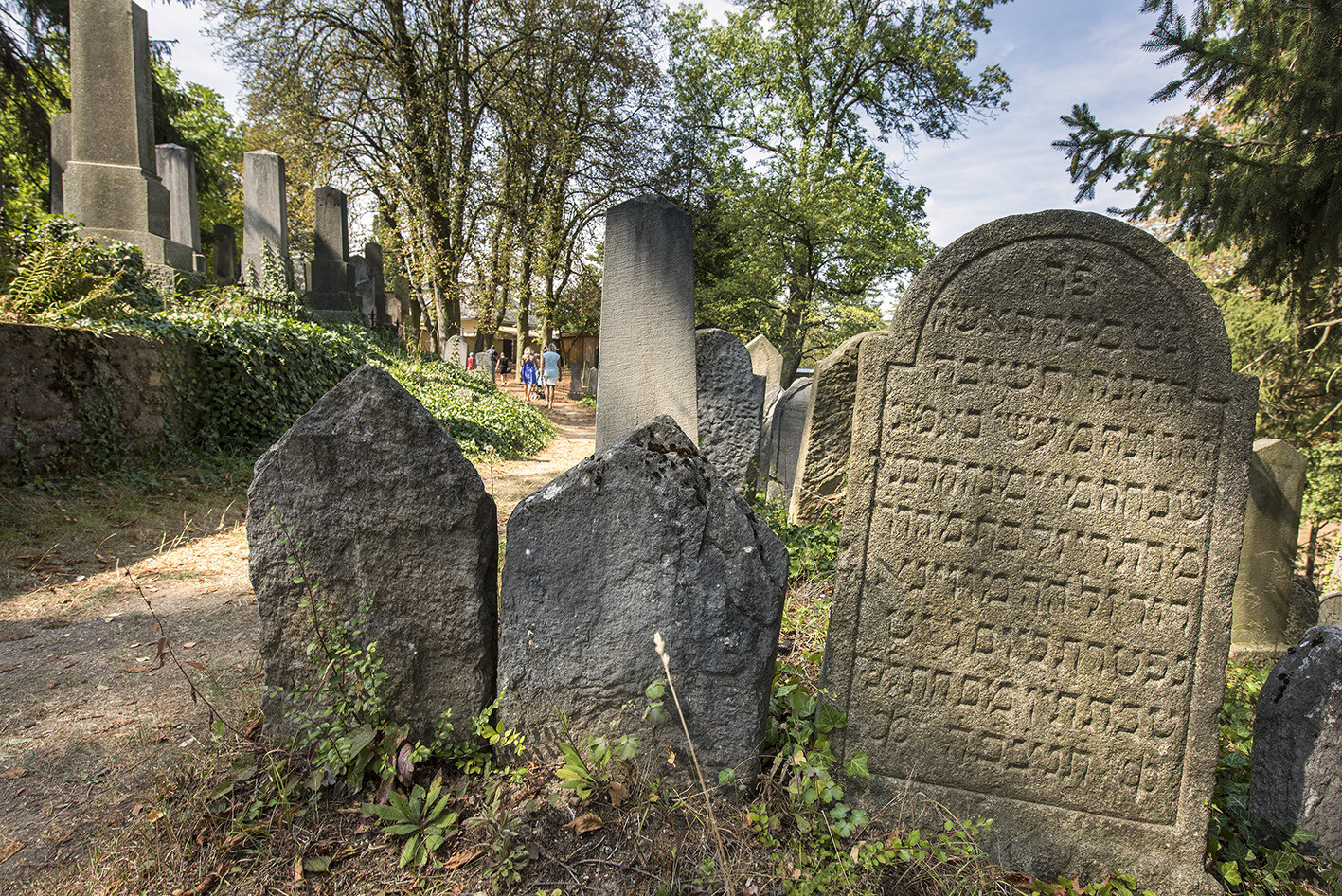
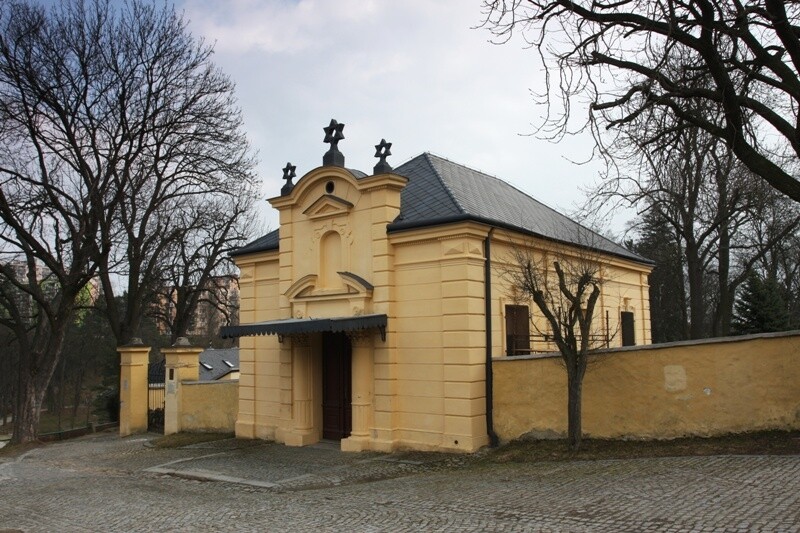
Seligmann Bauer’s House is also worth mentioning, standing on what is known as the Spanish land. On the ground floor there is a grocer's shop, at the back there is a modern kitchen and the first floor shows how a Jewish family lived in the inter-war period. The new Jewish cemetery was probably founded in the first half of the 17th century on the northern slope of Hrádek. The burial ground is one of the largest in the country. There are about 3,000 tombstones and almost four times as many (11,000) graves, the oldest of which dates from 1631. The Jewish Quarter with the cemetery and the Basilica of St. Procopius along with the château complex were inscribed on the UNESCO World Heritage List in 2003.
Sightseeing tours
Rear synagogue and Seligmann Bauer’s house
- Tour I - Rear synagogue, Seligmann Bauer’s house, a walk through the quarter stopping at the most interesting buildings
- Tour II - Rear synagogue, Seligmann Bauer’s house, a walk through the quarter stopping at the most interesting buildings and the Jewish cemetery
- Tours I and II must be ordered at least two days in advance.
Photo: Jakub Mertl, city of Třebíč, MKS Třebíč, archive of Vysočina Tourism